Home Renovation on the Costa del Sol - What Expats Need to Know Before Starting
Renovating on the Costa del Sol is a different experience to renovating in the UK
Expats who have renovated properties in Britain before moving to Spain often make the same mistake: they assume the process works broadly the same way. It does not. The planning system is different, the building standards are different, the tradesperson market is different, and the climate creates challenges that simply do not exist in northern Europe. None of this makes renovation impossible, thousands of expats do it successfully every year across Málaga and the Costa del Sol. But going in without understanding the differences is one of the most reliable ways to run over budget, over time, and into serious stress.
This guide covers what you genuinely need to know before you start, not to put you off, but to make sure you start on the right foot.
Understand what you are buying before you renovate it
The single most important step in any Costa del Sol renovation happens before the renovation starts, it happens when you are buying the property. Many expats buy a property with renovation plans already in mind but without a clear picture of what those plans will actually involve legally, structurally, or financially.
Before committing to a purchase with renovation intent, establish the following:
- The property's legal status - is it fully legal and correctly registered? Are there any outstanding planning infringements, unpermitted extensions, or illegal structures on the plot? A Spanish lawyer carrying out proper due diligence will check this. Many expats skip the lawyer and pay for it later.
- The land classification - is the property on suelo urbano or suelo rústico? Rural land classifications on the Costa del Sol severely restrict what can be built, extended, or altered. What looks like a straightforward extension on a rural finca may be legally impossible.
- The building's age and condition - older properties on the Costa del Sol frequently conceal outdated wiring, asbestos in floor tiles or roof materials, inadequate drainage, and structural issues that do not show up on a basic viewing. Commission an independent survey from a registered surveyor or architect before exchanging contracts.
- Community of owners restrictions - if the property is part of a comunidad de propietarios, check the community statutes before buying. Some communities have strict restrictions on what owners can alter, extend, or add to their properties.
Get the permits sorted before anything else
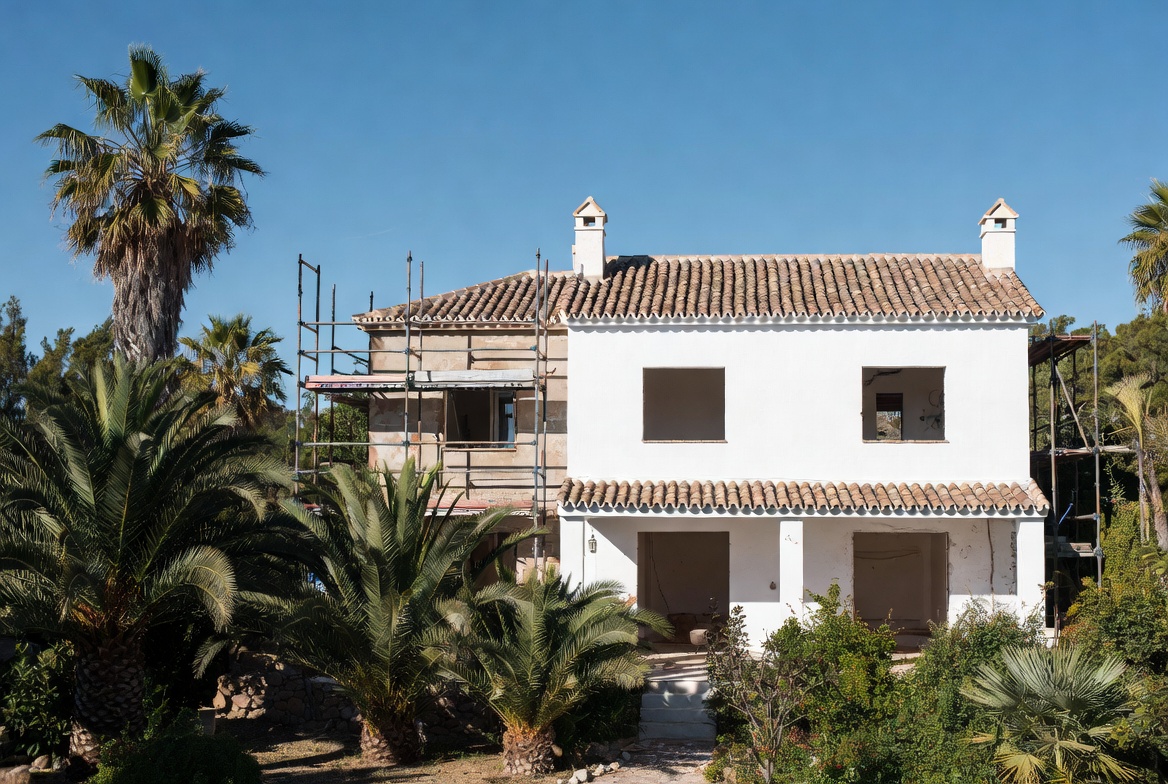
Spain's planning system requires permits for more work than most expats expect. Extensions, structural alterations, new pools, changes to facades, and full renovations all require a licencia de obras mayor from the local ayuntamiento before work can legally begin. Even replacing windows, installing air conditioning, or repainting an exterior typically requires a licencia de obras menor.
The permit process takes time. A minor works permit from a Costa del Sol ayuntamiento typically takes two to six weeks. A major works permit involving a full architectural project can take two to six months depending on the municipality. Factor this into your timeline before you agree start dates with any builder.
Starting work without the correct permits is one of the most expensive mistakes an expat can make on the Costa del Sol. Unpermitted work can be ordered to stop, unpermitted structures can be ordered to be demolished at your expense, and the work will show as non-compliant in any due diligence when you come to sell. There is a full guide to building permits in Spain in The SpainTrades Guide.
Budget for the real cost, not the optimistic one
Costa del Sol renovation costs catch expats out in two consistent ways. The first is underestimating the base cost. Labour on the Costa del Sol is cheaper than the UK but not dramatically so, and materials are not significantly cheaper. A full reforma integral, complete gutting and rebuilding of the interior, currently costs between €600 and €1,200 per square metre in Andalusia depending on specification.
The second is failing to budget for the costs that sit on top of the build cost:
- Architect fees: four to eight percent of the total build cost for design and project oversight
- Aparejador fees: two to four percent of the build cost for site supervision on significant projects
- Permit fees: calculated as a percentage of the declared build value by the local ayuntamiento
- Gestor fees: €500 to €2,000 for managing permit applications and administrative paperwork
- Contingency fund: 15 to 20 percent of the total budget for surprises, and there will always be surprises in older Costa del Sol properties
Add those together and the real cost of a renovation is typically 25 to 35 percent above the builder's quote alone.
The Costa del Sol climate affects how you renovate
The climate that makes the Costa del Sol so attractive to live in creates specific challenges for renovation work that most expats from northern Europe do not initially consider:
- Summer heat - interior renovation work in July and August in an unoccupied property without air conditioning is brutal for workers. Productivity drops, timelines extend, and some trades simply will not work through peak summer. Planning a renovation that avoids July and August for the most intensive work is sensible.
- The gota fría - the cold drop weather system that brings intense and sometimes torrential rainfall to the Costa del Sol, typically in September and October. A renovation with an open roof or incomplete weatherproofing during gota fría season can result in serious water damage. Make sure your builder has a clear plan for weatherproofing at each stage.
- Sun and UV exposure - exterior materials on the Costa del Sol face intense UV radiation year round. Cheap exterior paint, poor quality render, and inadequate waterproofing membranes fail faster here than in northern Europe. Specify materials rated for Mediterranean climates and do not let a builder substitute cheaper alternatives mid-project without your agreement.
- Humidity variations - coastal properties on the Costa del Sol are exposed to salt air and seasonal humidity that accelerates corrosion of metal fixings, window frames, and exposed steelwork. Factor this into material specifications from the start.
The tradesperson market on the Costa del Sol
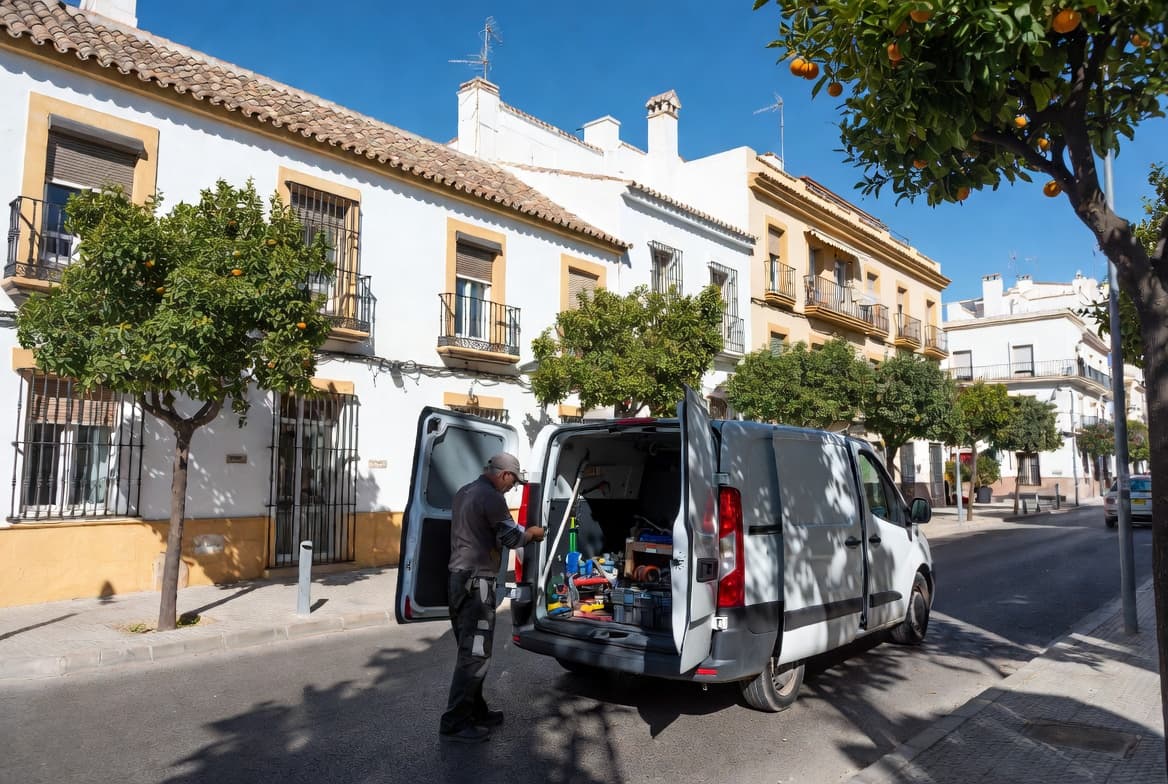
Finding good tradespeople for a Costa del Sol renovation is achievable but requires more effort than posting in a Facebook group. The expat renovation market attracts a wide range of contractors, from genuinely excellent registered professionals with years of experience working on Spanish properties, to opportunists with a van and a confident manner who will take your deposit and disappear when the job gets complicated.
For a renovation project of any significant scale, you need at minimum:
- A registered architect or aparejador overseeing the project if structural work is involved
- A main contractor who is registered, insured, and has verifiable references from comparable renovation projects on the Costa del Sol
- Registered specialist subcontractors for electrical, plumbing, and gas work, these trades are regulated and the certificates they issue on completion are legally required documents
Do not let a general builder manage all the specialist trades as informal subcontractors without your visibility into who is doing the work and whether they are qualified. It is your property and your legal exposure if unregistered work causes problems later.
Timelines on the Costa del Sol - plan for longer
Costa del Sol renovations almost always take longer than originally quoted. This is not unique to Spain but the specific reasons here are worth understanding:
- August is effectively a lost month for most trades. Spanish workers take their holidays in August and availability drops sharply across the board.
- Permit timelines are outside anyone's control and ayuntamiento processing times vary considerably between municipalities on the Costa del Sol.
- Material deliveries from Spanish suppliers can be slower than expats used to UK supply chains expect, particularly for specialist or imported items.
- Older properties reveal problems once work starts that could not be anticipated at the quoting stage, and fixing them properly takes time.
A realistic rule of thumb: take the timeline your builder quotes, add 20 percent, and then add August if it falls within the project period.
Protecting yourself throughout the renovation
The practical protections are straightforward but consistently overlooked by expats who trust their builder and want to avoid seeming difficult:
- Get a written contract before work starts - covering scope, price, payment schedule, timeline, and a variation clause requiring written agreement before any additional costs are incurred
- Pay in stages tied to completed milestones - never pay the final instalment until you are satisfied the work is complete
- Visit the site regularly - or appoint someone you trust to do so if you are not resident on the Costa del Sol full time
- Photograph the work at every stage - dated photographs are evidence if a dispute arises
- Keep every invoice, receipt, and written communication from the start of the project to the end
Starting your renovation on the right foot
The expats who have the best renovation experiences on the Costa del Sol share one common approach: they did their homework before they started. They bought the right property, got the right permits, hired registered and insured professionals, budgeted realistically, and protected themselves with proper contracts.
SpainTrades lists vetted builders, electricians, plumbers, architects, and other tradespeople across Málaga and the Costa del Sol, all registered, insured, and reviewed by expat clients after real projects. It is the most reliable place to start building your renovation team.
Find vetted tradespeople for your Costa del Sol renovation at www.spaintrades.es